
Collection & Storage
Used Cooking Oil vs. Grease Trap Waste: Know the Difference
Keep fryer oil and grease trap material in separate streams and arrange the right service for each.
The short answer
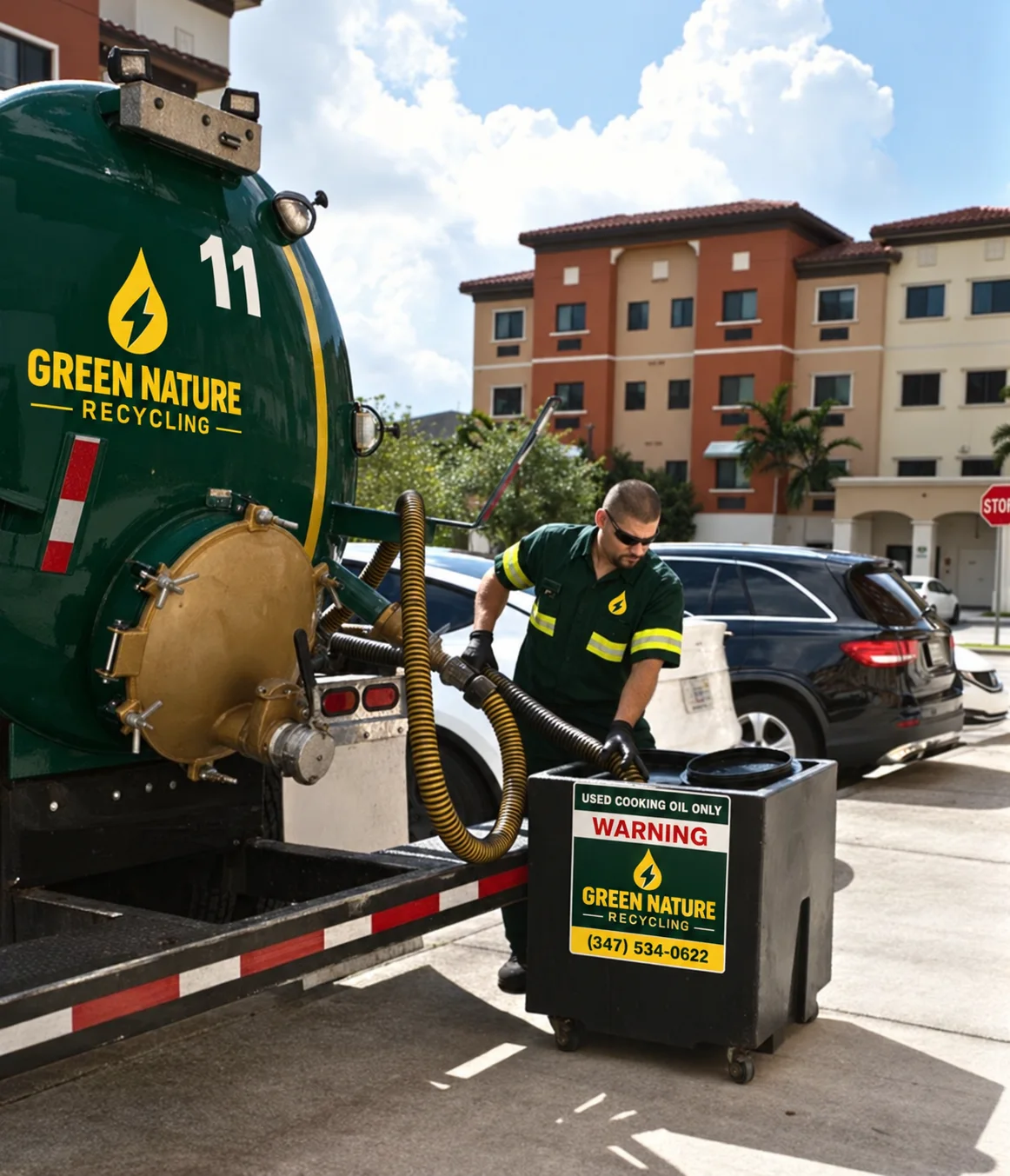
Used cooking oil is oil removed from commercial cooking equipment and stored for collection. Grease trap waste comes from equipment that captures fats, oils, grease and solids in wastewater. Keep the streams, containers, service arrangements and records separate.
Identify the source before choosing a container
Fryer oil starts at the cooking line. Once the kitchen removes it from service, staff transfer it through an agreed process to a used cooking oil container. Grease trap waste starts in wastewater-control equipment connected to sinks or other fixtures. It can include water and food solids along with grease, so it does not belong with recoverable fryer oil.
Labels that simply say “grease” can blur the distinction. Train staff to say “used fryer oil container” and “grease trap” when assigning work. A vendor may offer both services, but that does not make the material interchangeable.
Keep transfer and service paths separate
Pouring fryer oil into a sink or trap adds material to the wastewater system instead of the collection container. Putting trap waste into the used oil container contaminates that stream and can interfere with service or the account’s quantity records. Likewise, a container pickup does not mean the trap has been cleaned.
Post a simple instruction at the fryer and collection point. Specify who moves cooled oil, which container receives it, who reports a full container and who manages the trap service. If a spill or an unexpected material enters either stream, tell the relevant service provider what happened instead of hiding it in the next load.
- Fryer oil goes to the designated used oil container.
- Trap waste remains in its separate service process.
- Never use drains as a fryer-oil disposal route.
- Keep each service’s dates and records distinct.
Know what a trap-cleaning inquiry covers
Green Nature reviews cleaning for smaller grease traps at existing used cooking oil customer sites in the NJ, NY and PA tri-state area. Fit depends on the exact address, trap size and access. The company does not offer this as a standalone service for a site without its oil collection service, and a large interceptor or plumbing repair needs a different provider.
Have the trap location, approximate size and access details ready when asking. A kitchen manager should also identify any separate contractor already responsible for the trap, so responsibilities do not overlap. Do not attempt plumbing changes or trap work based on a general oil-collection article.
Check site-specific requirements
Local wastewater requirements differ by jurisdiction and installation. New York City’s Department of Environmental Protection provides guidance for grease-generating businesses, including grease-control equipment and proper handling. Use the responsible local authority and qualified tradespeople for your site’s equipment and obligations.
For day-to-day management, the immediate step is practical: confirm the fryer oil container, confirm the separate trap service arrangement, and ensure the shift lead can explain both. Recheck the arrangement when a new tenant, menu or kitchen layout changes where material flows.
Common questions
Can trap waste be added to a used oil container?
No. It is a separate waste stream and must stay out of the used cooking oil container.
Does a fryer-oil pickup clean the grease trap?
No. Trap cleaning requires its own confirmed service arrangement.
Can Green Nature clean a large interceptor?
The published trap-cleaning service is for smaller traps at existing oil customer sites, subject to review; ask a qualified specialist about larger interceptors.
Sources
Next steps for your kitchen
Local service planning
Plan oil collection for your kitchen
Tell us your address, fryer setup and access details. Our team can review coverage, equipment and an appropriate pickup plan.