
Collection & Storage
How Restaurants Should Dispose of Used Cooking Oil
A practical restaurant process for cooling, separating, storing and arranging collection of used fryer oil.
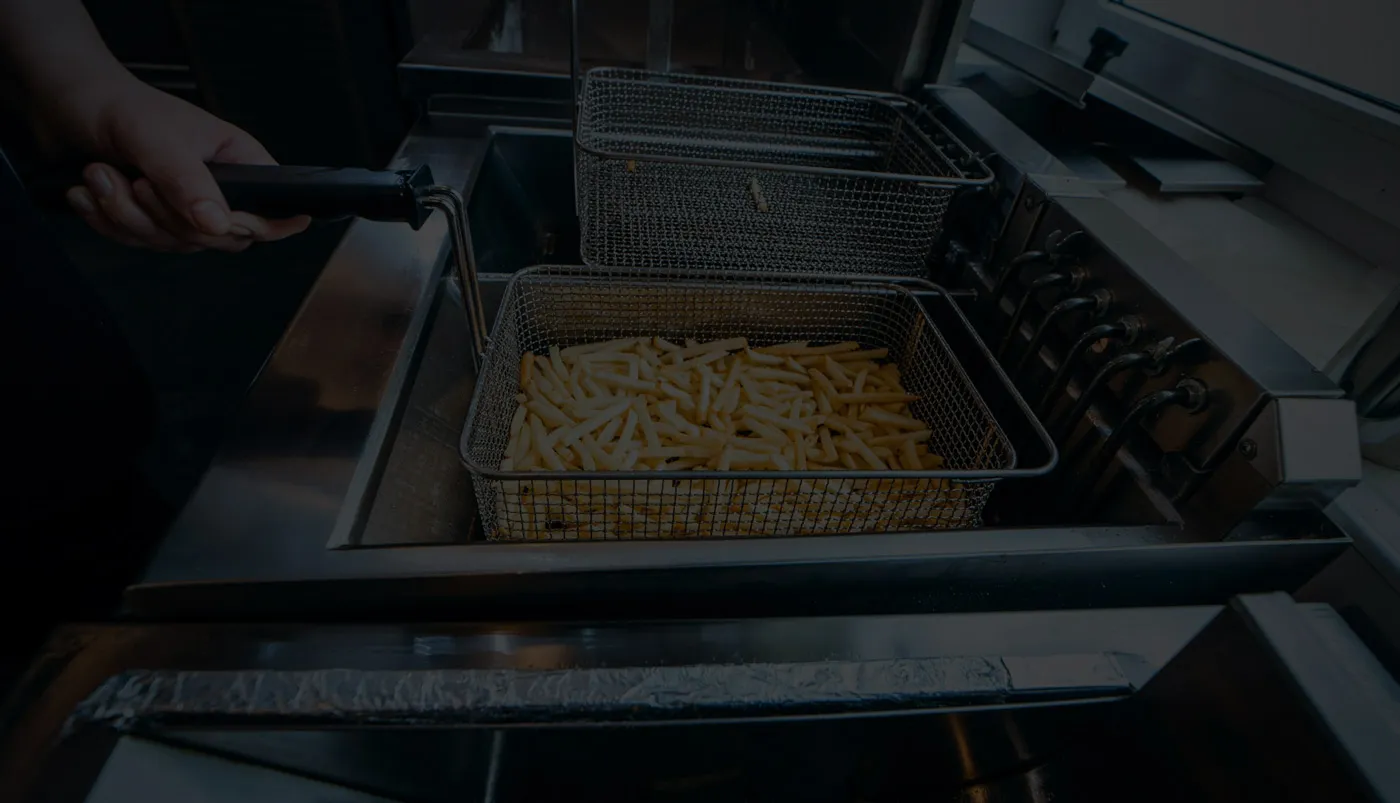
The short answer
Let used fryer oil cool, transfer it using your kitchen’s agreed procedure into a designated used cooking oil container, keep it separate from water, chemicals, food scraps and grease trap waste, and arrange commercial collection before the container runs out of usable space. Never pour it down a drain.
Treat fryer oil as its own waste stream
A commercial fryer produces a recurring stream of used cooking oil. Give it a named container and a clear handoff procedure, so a new employee does not mistake a drain, mop sink or grease trap for the destination. The collection point should be approved by the property manager where needed and reachable by the collection crew.
This guide is for restaurants and other commercial kitchens. A household with a small amount of cooking oil should use its local household disposal guidance; Green Nature’s commercial collection service is not a household pickup program. If your kitchen also has grease trap service, keep that work on a separate track.
Make each transfer predictable
Set a routine for taking oil out of the fryer after it has cooled enough for the transfer method your staff uses. Assign the task to trained staff, use a suitable transfer vessel, and avoid carrying an open, overfilled vessel through a busy line. The route from fryer to container matters as much as the container itself: door thresholds, stairs, narrow halls and outdoor weather can all change what equipment is workable.
Close the receiving container after each transfer. A lid and a clear label help keep rainwater, food scraps and cleaning materials out. Check the exterior and nearby floor for drips, and address spills with your workplace’s established cleanup process. Do not top off a container with oil that cannot fit below its safe operating level.
- Let oil cool before the agreed transfer.
- Use the designated oil vessel and container.
- Keep the lid closed and the path clear.
- Report a leak or nearly full container promptly.
Keep contaminants and trap waste out
Water, fryer debris, chemicals and trap waste complicate collection and make records harder to interpret. Strain or handle ordinary fryer crumbs according to your kitchen process, but do not use the oil container as a general waste bin. Never combine used cooking oil with motor oil or cleaning chemicals.
Grease traps and interceptors capture material from wastewater; they are not containers for poured fryer oil. New York City’s environmental guidance tells grease-generating businesses to keep fats, oils and grease out of drains and maintain their required grease-control equipment. For site-specific plumbing obligations, use the local authority and a qualified professional.
Arrange pickup around actual output
Estimate how much oil the kitchen produces between collections, then compare that with the usable space in the agreed container. A busy event period, added fryers or a second shift can change the amount quickly. Tell the collector before capacity becomes tight; support can discuss the site and available route timing, but a call does not itself guarantee an immediate pickup.
Keep the collection statement after each pump-out and check the address, date and recorded quantity while the visit is fresh. If the pickup point changes, send updated gate, loading or contact instructions before the next service. That simple record makes it easier to solve missed visits and reconcile a qualifying account’s monthly payment.
Common questions
Can fryer oil go down a kitchen drain?
No. Keep fryer oil out of drains and put it in the designated collection container after the agreed cooling and transfer steps.
Can I add grease trap waste to the fryer oil container?
No. Trap waste is a separate stream. Ask about a separate cleaning arrangement if your site qualifies.
Will Green Nature collect a bottle of oil from my home?
No. Green Nature focuses on commercial used cooking oil collection; follow your municipality’s household guidance.
Sources
Next steps for your kitchen
Local service planning
Plan oil collection for your kitchen
Tell us your address, fryer setup and access details. Our team can review coverage, equipment and an appropriate pickup plan.